These figures demonstrate why sometimes government communication cannot simply celebrate positive indicators.
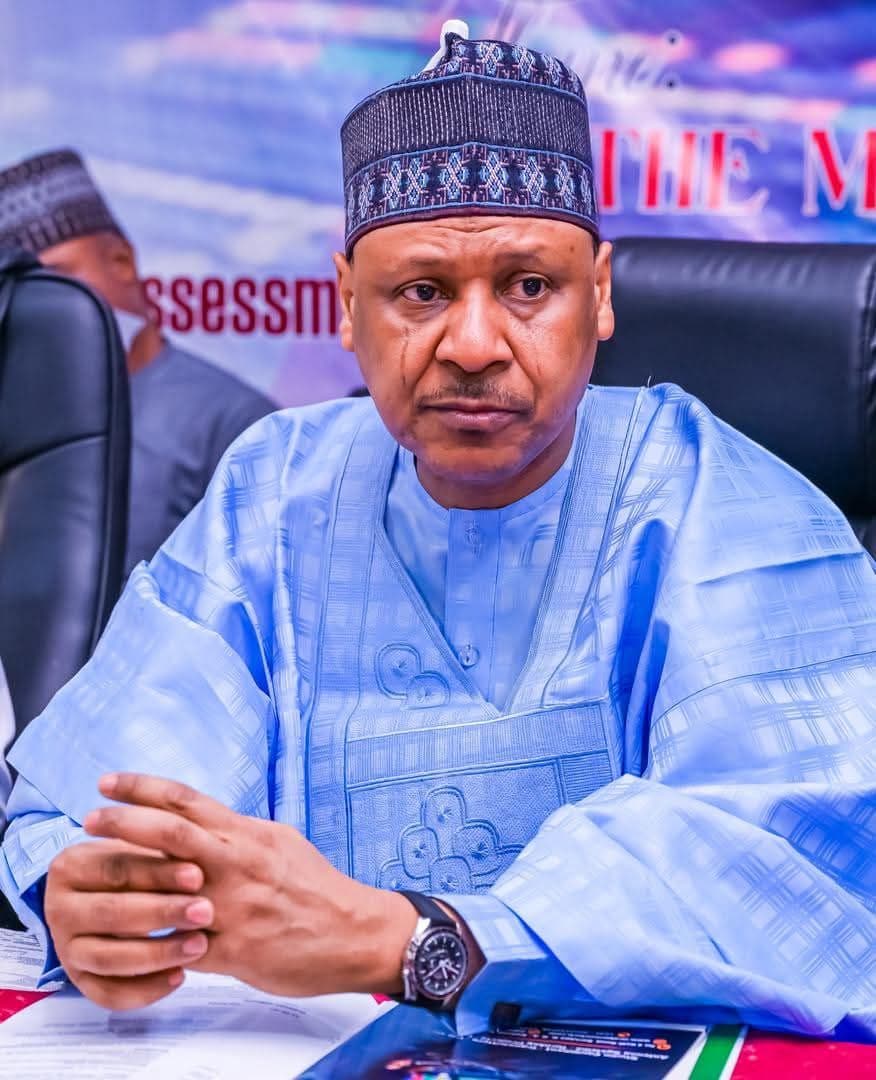
Alh. Mohammed Idris, fnipr. The Minister of Information & National Orientation will simultaneously communicate progress, acknowledge hardship, re-explain policy trade-offs for public consumption and provide verifiable evidence of government interventions across several sectors. This is the difference between propaganda and strategic public communication.
Propaganda seeks to persuade regardless of evidence, strategic communication seeks to establish credibility through evidence, transparency, consistency, speed and accountability. Not only under the Renewed Hope administration, but any government that is implementing difficult reforms, credibility is itself an economic asset, The Information Minister becomes a focal actor in ensuring that this objective is achieved through the lens of public trust.
Politics is a contest over narratives. Every administration attempts to define the meaning of its policies and its place in national history. The opposition, civil society, traditional media, digital platforms and international observers simultaneously produce competing interpretations. The Information Minister operates within this contest of narratives.
The political value of Mohammed Idris, the Minister of Information and National Orientation, on the other hand will include his ability to convert government action into public understanding, public understanding into trust and trust into institutional legitimacy.
In an era where information can influence elections, markets, national security and social cohesion, the Information Ministry should not be regarded merely as a publicity department. It is part of the strategic infrastructure of the modern Nigerian state. The Minister of Information and National Orientation is therefore not only the government’s spokesman, he is a custodian of the government’s public narrative, a bridge between the state and society, a central coordinator of strategic communication and an important guardian of information integrity.
Traditional government communication often operated on a simple model: government acts, government announces, media reports and citizens receive the information. That model is increasingly inadequate. The contemporary information environment is interactive, fragmented and instantaneous. Citizens are simultaneously consumers, producers and distributors of information. A single video, photograph, headline or social-media post can reach millions before a government press statement is prepared. Information intelligence therefore requires continuous observation of the information ecosystem.
In contemporary politics, where perception can move faster than policy and misinformation can travel faster than facts, effective information management is itself a form of political power. Political power is no longer a contest over resources and institutions, it is not only exercised through laws, budgets and military control of the state, it is increasingly exercised through the ability to shape how citizens understand events, interpret government actions and form opinions about the direction of the country.
CONGRATULATIONS
Alh. Mohd Idris, fnipr on your appointment as Coordinating Director Media and Strategic Communication Tinubu-Shettima 2027 Presidential Campaign Council
BY:
SAIDU AHMED
Special Assistant, Research & Strategy to the Honorable Minister of Information & National Orientation
24/08/2026“
WHAT IS THE IMPORTANCE OF THE MINISTER OF INFORMATION?
U
BY UntitledPublished August 24, 2026